
About the maker
Kanjiro Kawai (1890–1966) was a Japanese potter and a key figure in the mingei (folk craft) and studio pottery movements. He became interested in pottery as a child and knew by the age of 16 that he wanted to become a potter. Kawai graduated from the Tokyo Higher Polytechnical School in 1914 and worked briefly at the Kyoto Research Institute for Ceramics. In 1920, he built his own climbing kiln, the Shokeiyo, in Kyoto and began to produce his own work.
Kawai trained in the use of chemical glazes and gained wide recognition for his skills. He was deeply involved in the development of the mingei movement alongside Shōji Hamada and Yanagi Sōetsu, and his work sought to balance traditional Japanese and East Asian ceramic techniques with ideas of everyday craft. He was a long‑time friend and associate of British potter Bernard Leach, and together with Hamada and Yanagi helped shape the folk craft movement in the early twentieth century.
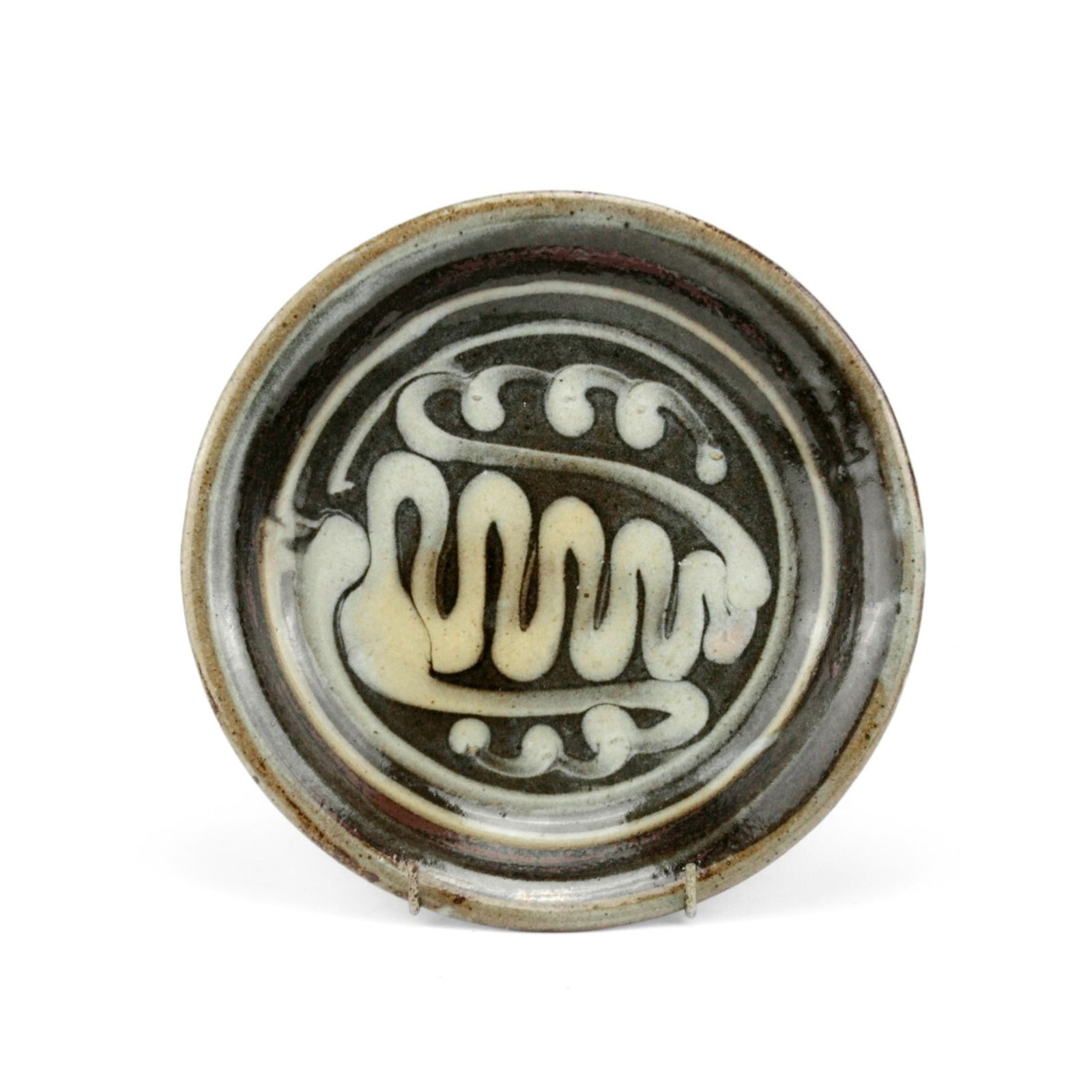
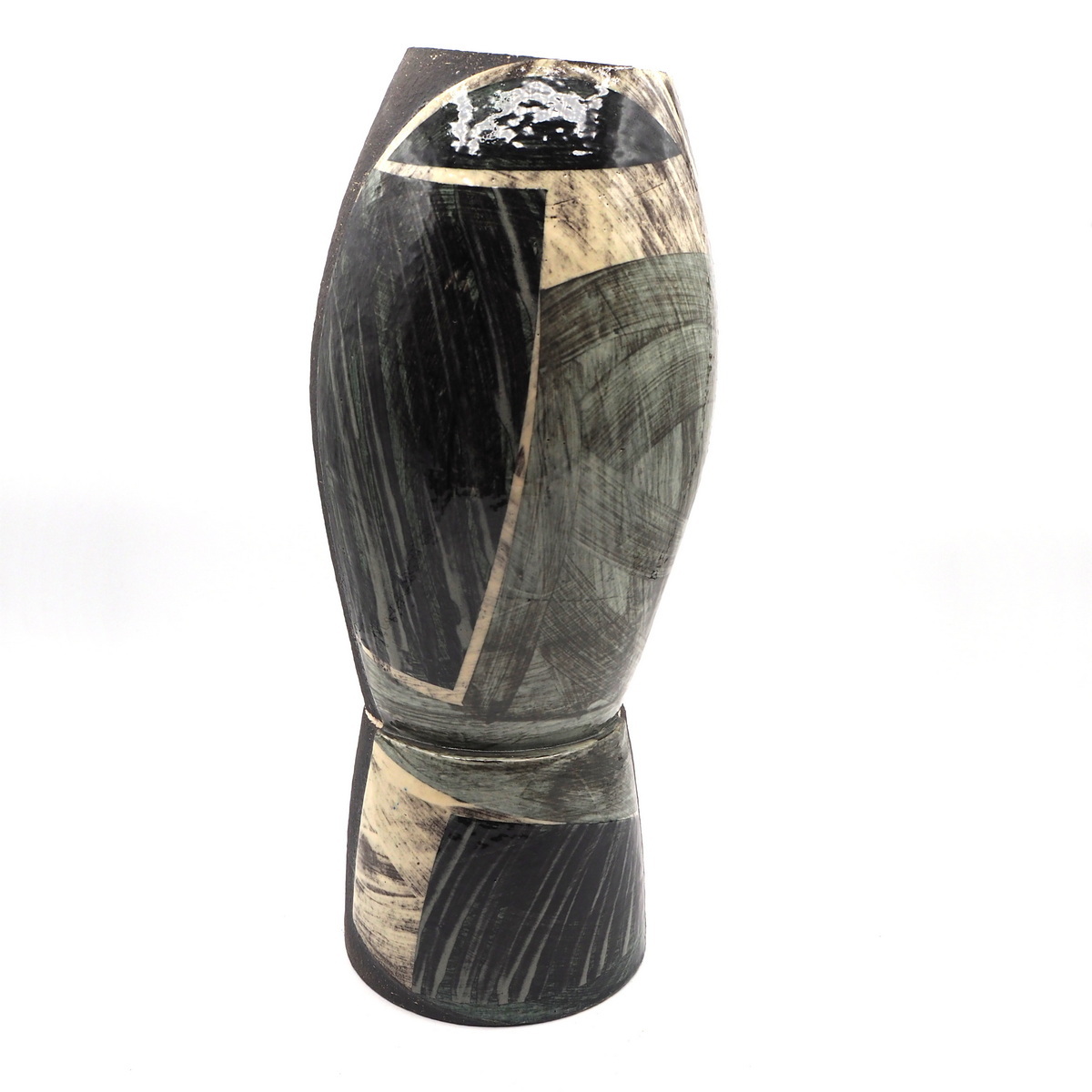
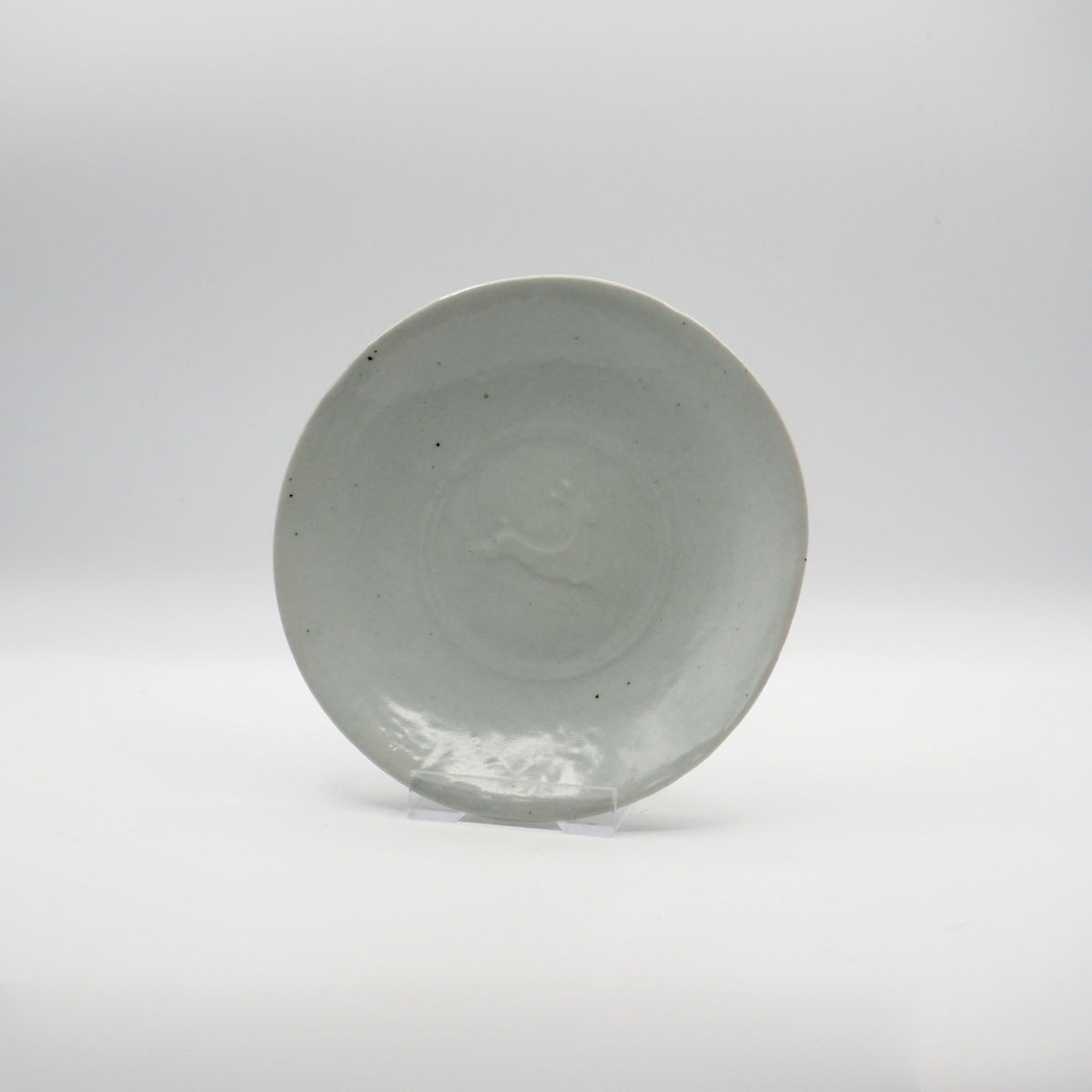
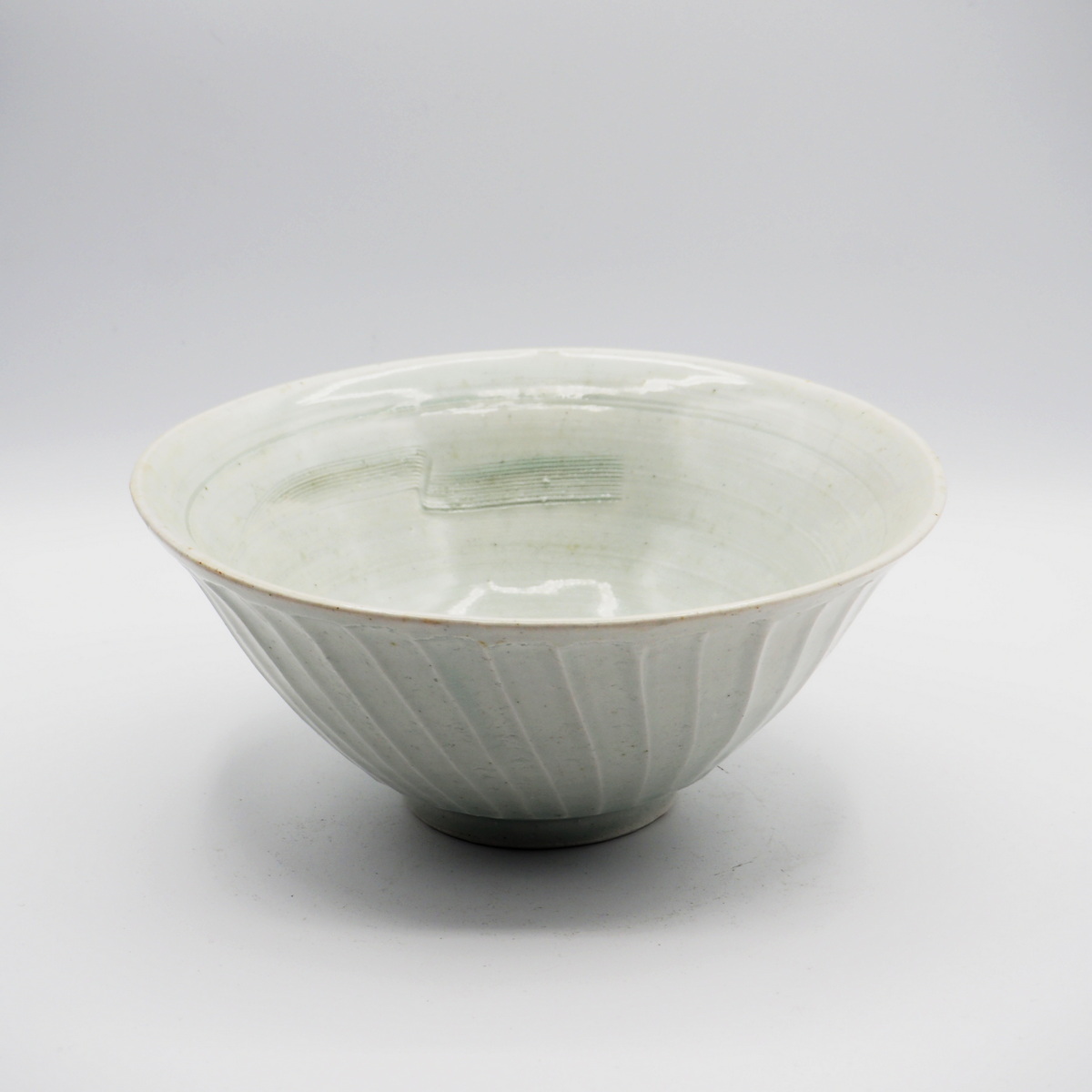
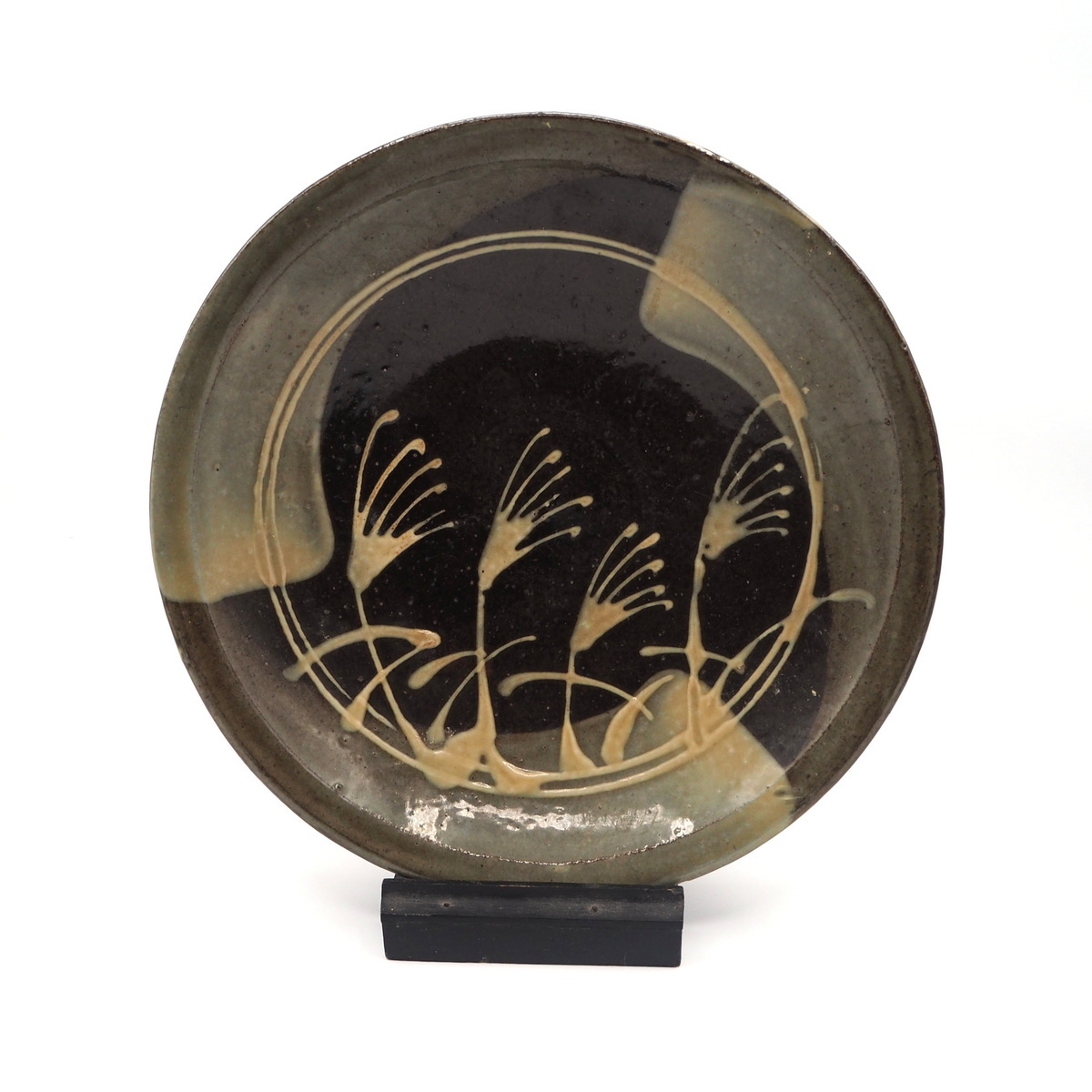
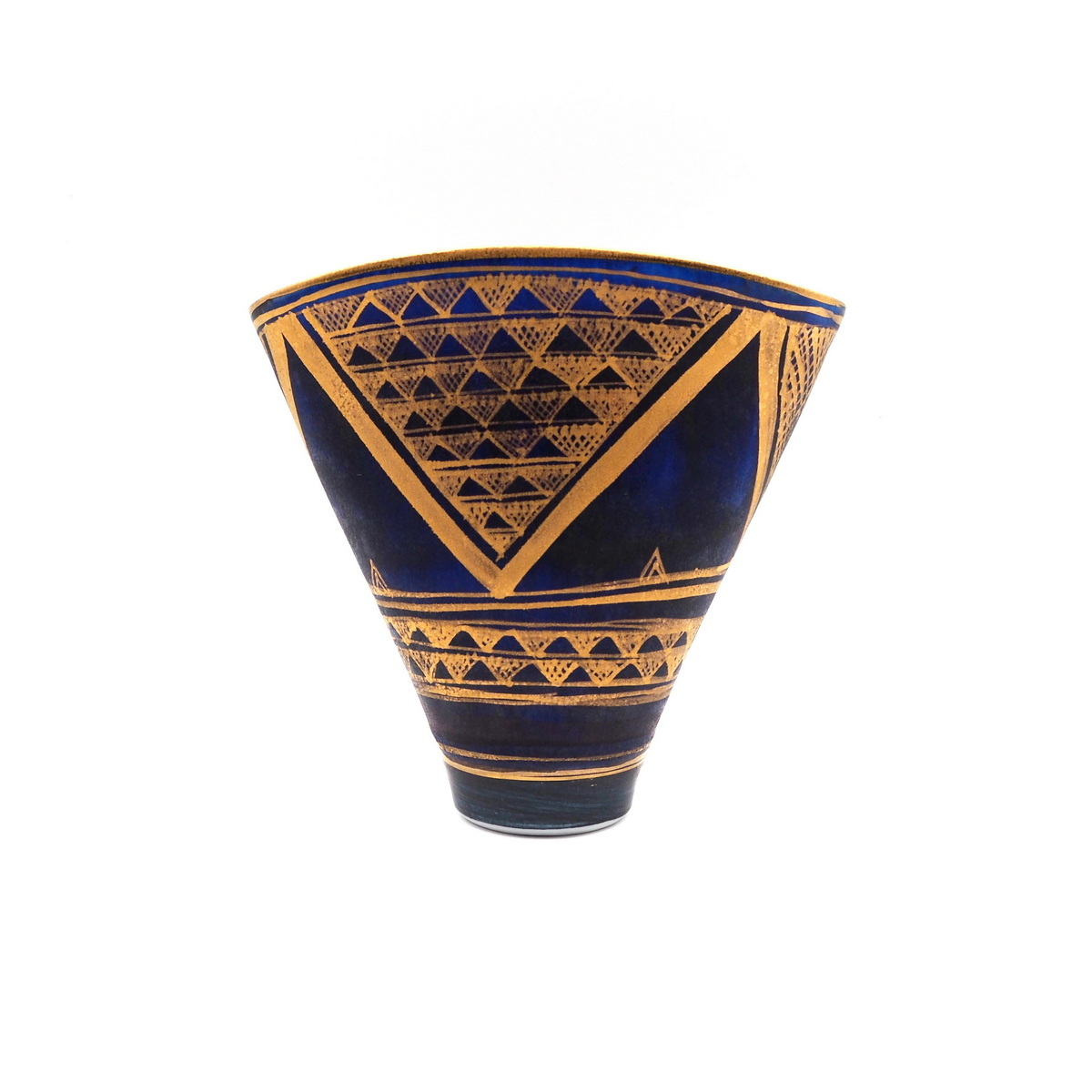
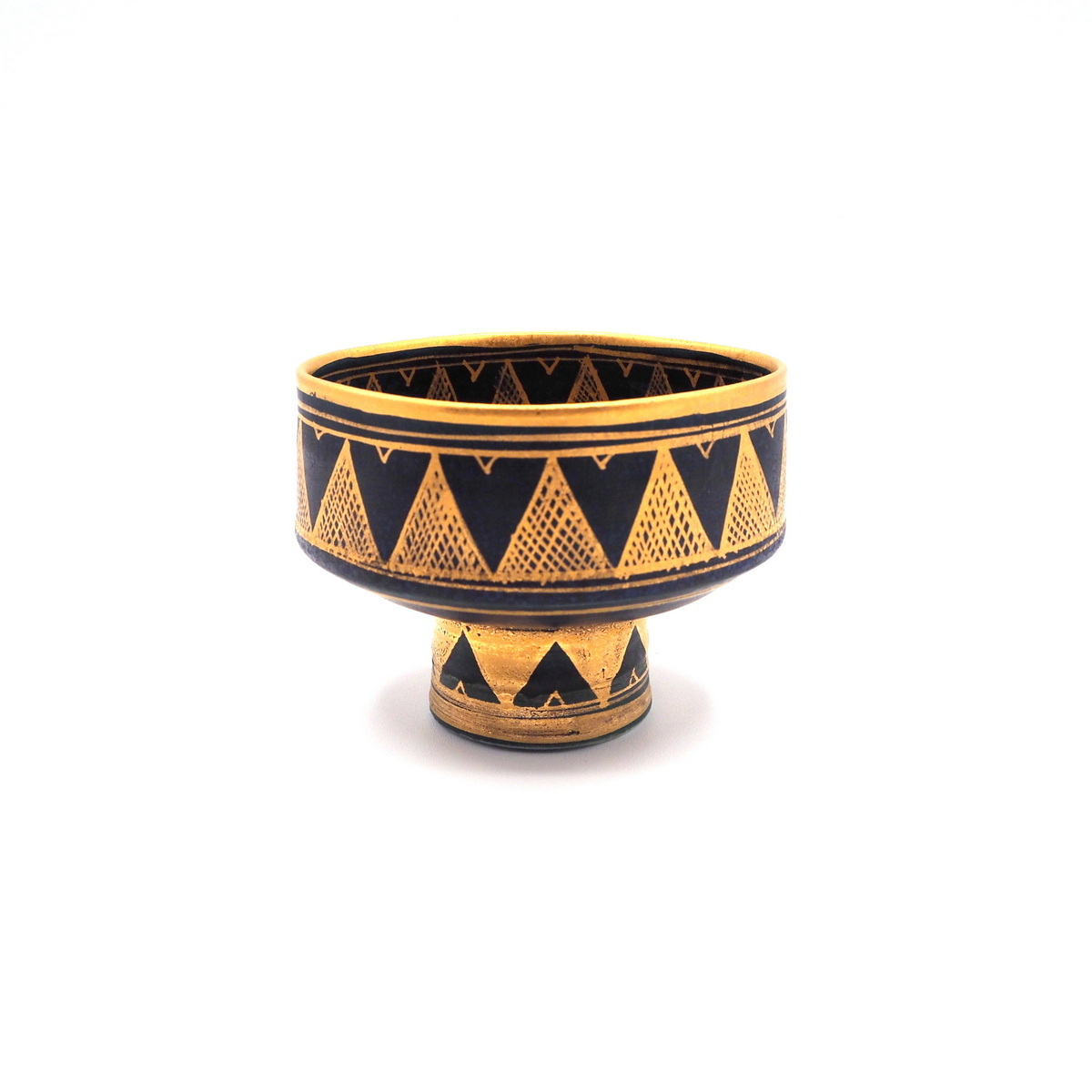
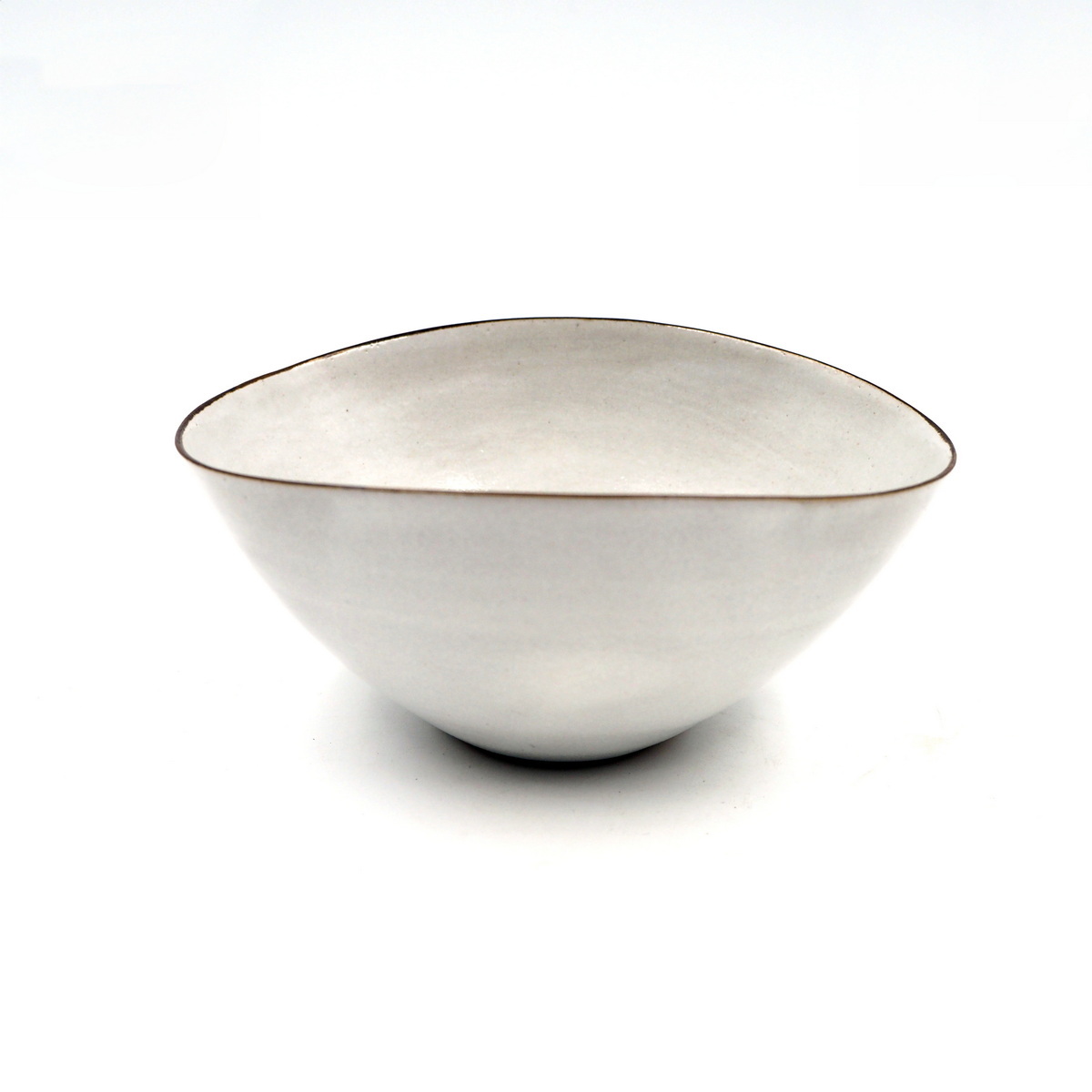
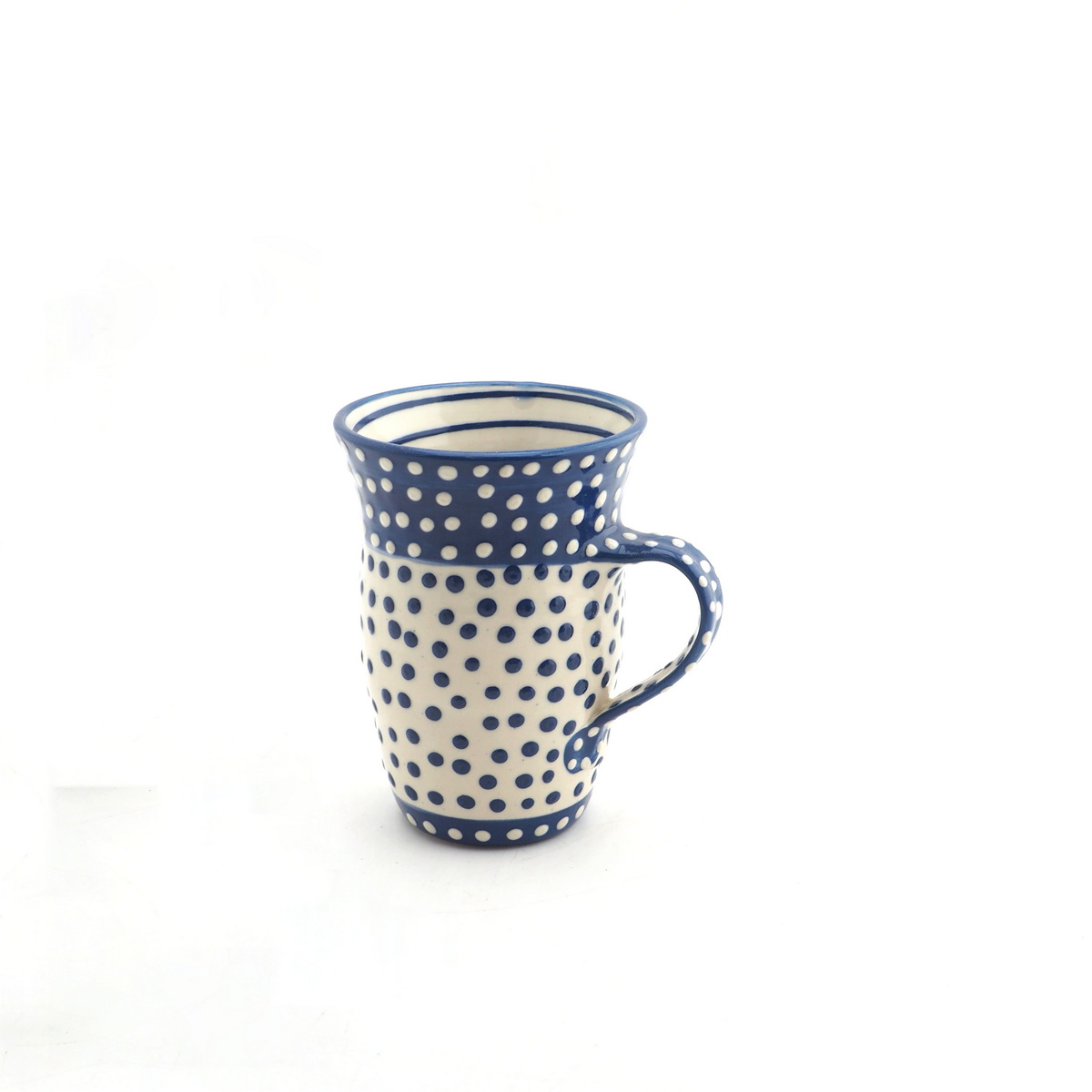
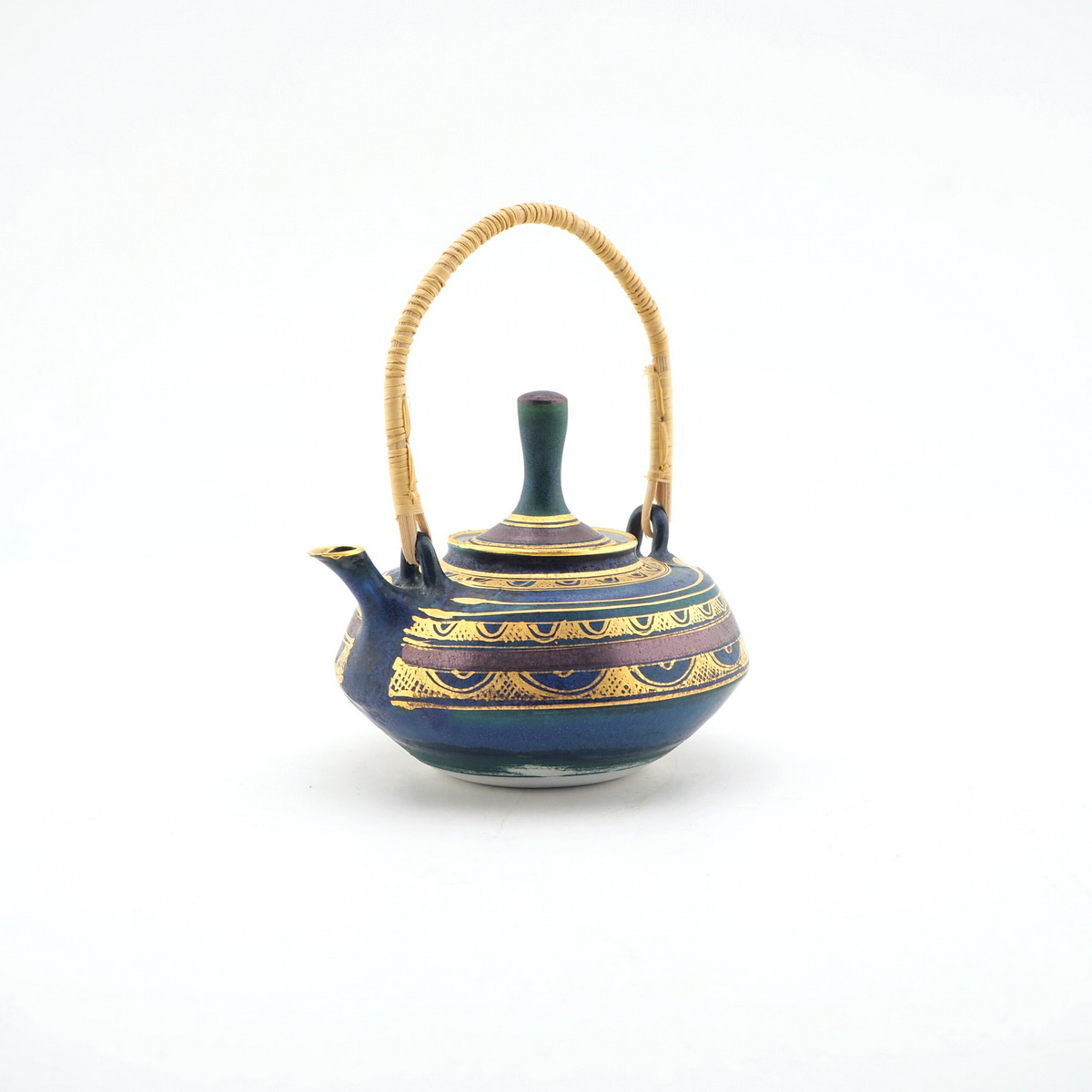
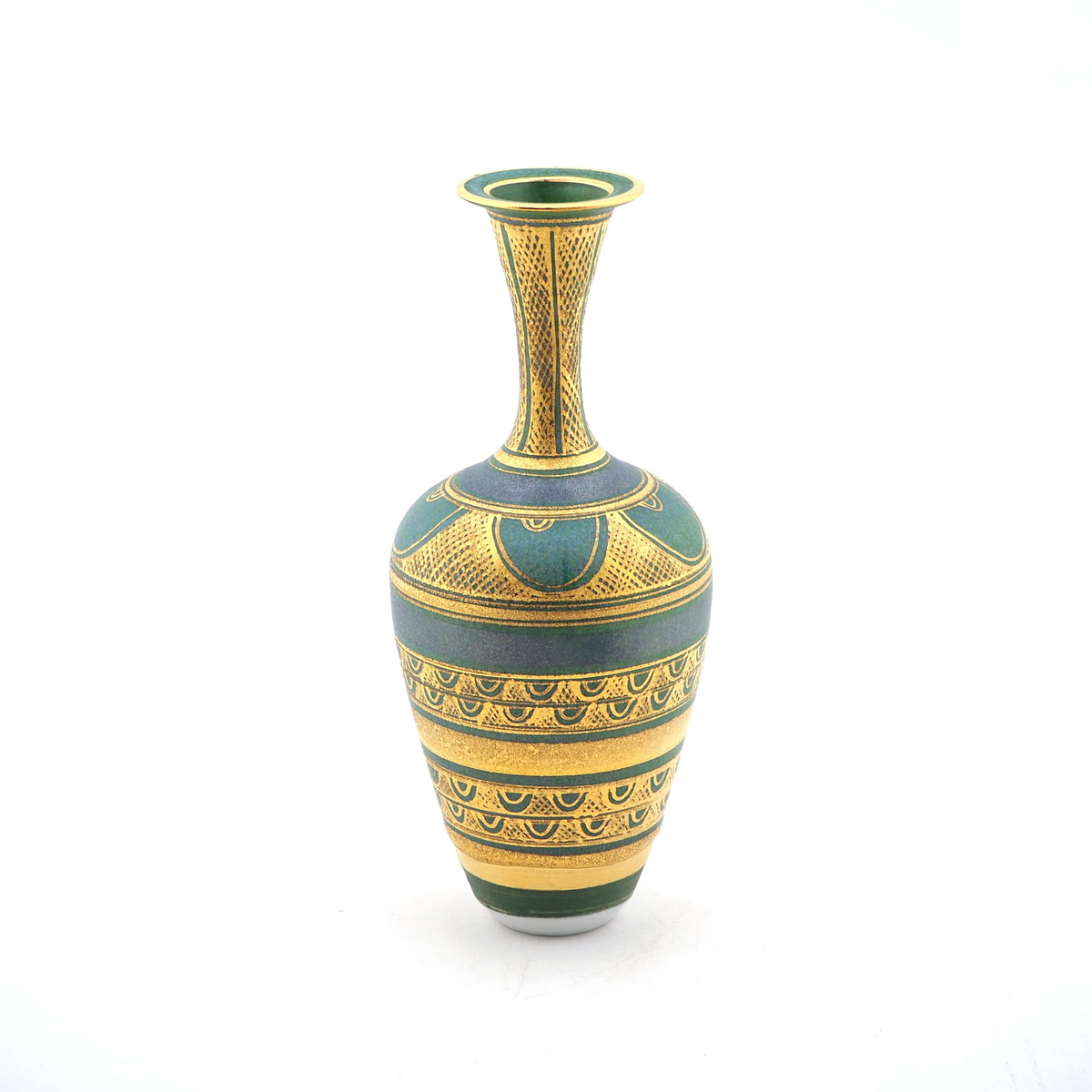
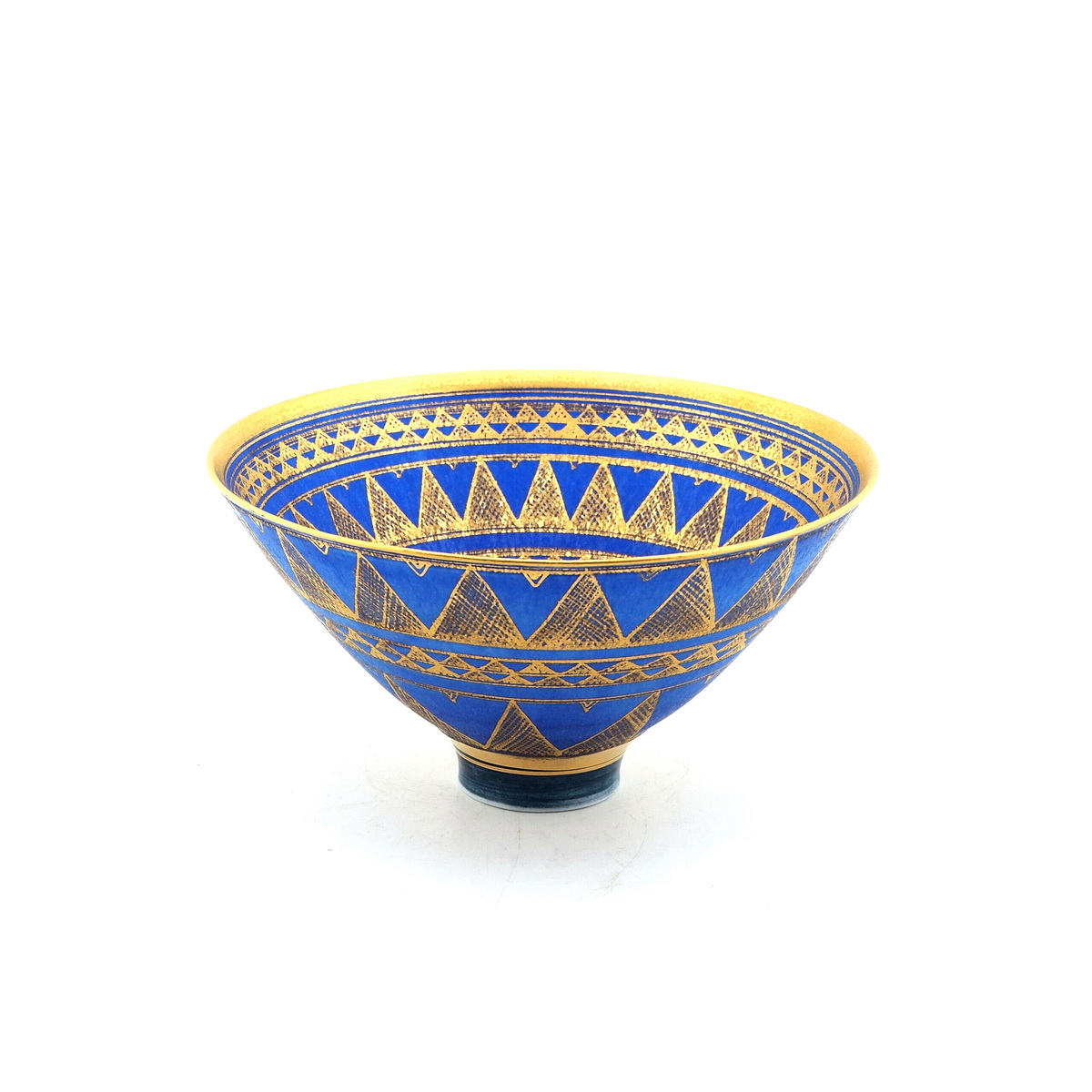
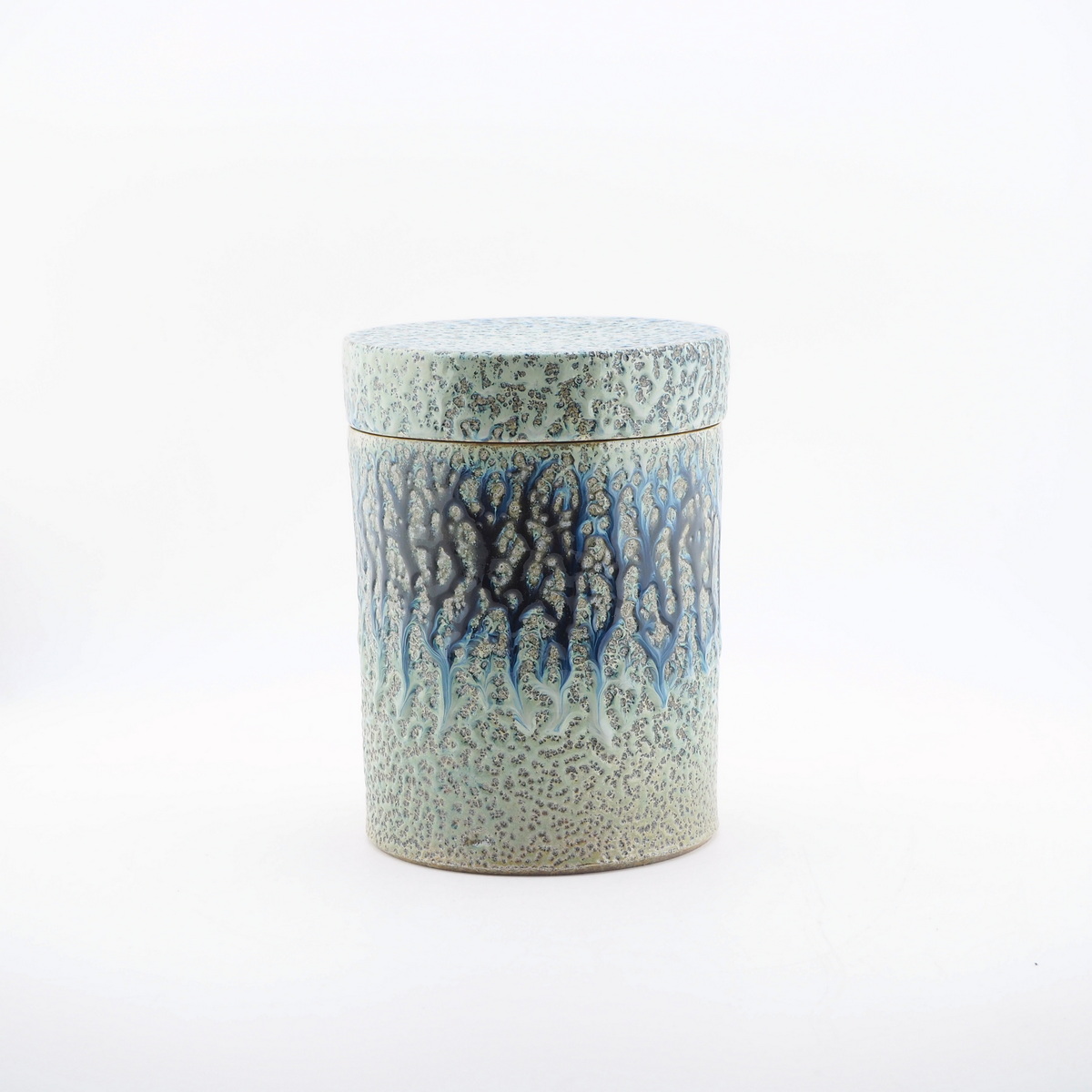
Kawai’s ceramics are noted for their expressive glazes and varied forms, and he is widely regarded as a master of glaze technique. His work and influence continue to be recognised in Japan and internationally as central to modern Japanese ceramics.